Think back to the last time you had a truly great cup of coffee. You probably cherished each sip and paid attention to every detail. What made it memorable? Most likely, everything came together perfectly: the taste, the setting, the atmosphere, and even the cup you used.
I had one of those rare moments at Pedro Caffe in Padua, Italy. I was drinking a flat white. Everything felt perfectly aligned, as if designed to heighten my senses. Surprisingly, one key element was the cup. It was a simple white ceramic cup with just the right thickness, weight, and round-shaped surface. It came with a perfectly fitting saucer. Even the understated yet impactful Pedro Caffe logo added to the experience.
This focus on the cup is no accident—my main argument is that the design, material, and look of your coffee cup do more than hold your drink. They can genuinely impact how coffee tastes, feels, and how much you enjoy it. Let’s dive in to see how.
The science behind it
To understand why, consider the research from psychologists and sensory scientists: the coffee cup itself—not just the coffee—can shape how we experience our drink. The material, shape, color, and texture of the cup all send us signals that influence how we taste and feel. Our brains mix these signals with taste and smell, turning coffee drinking into a multisensory experience. So, which aspects of the cup matter most?
Cup Material and Weight
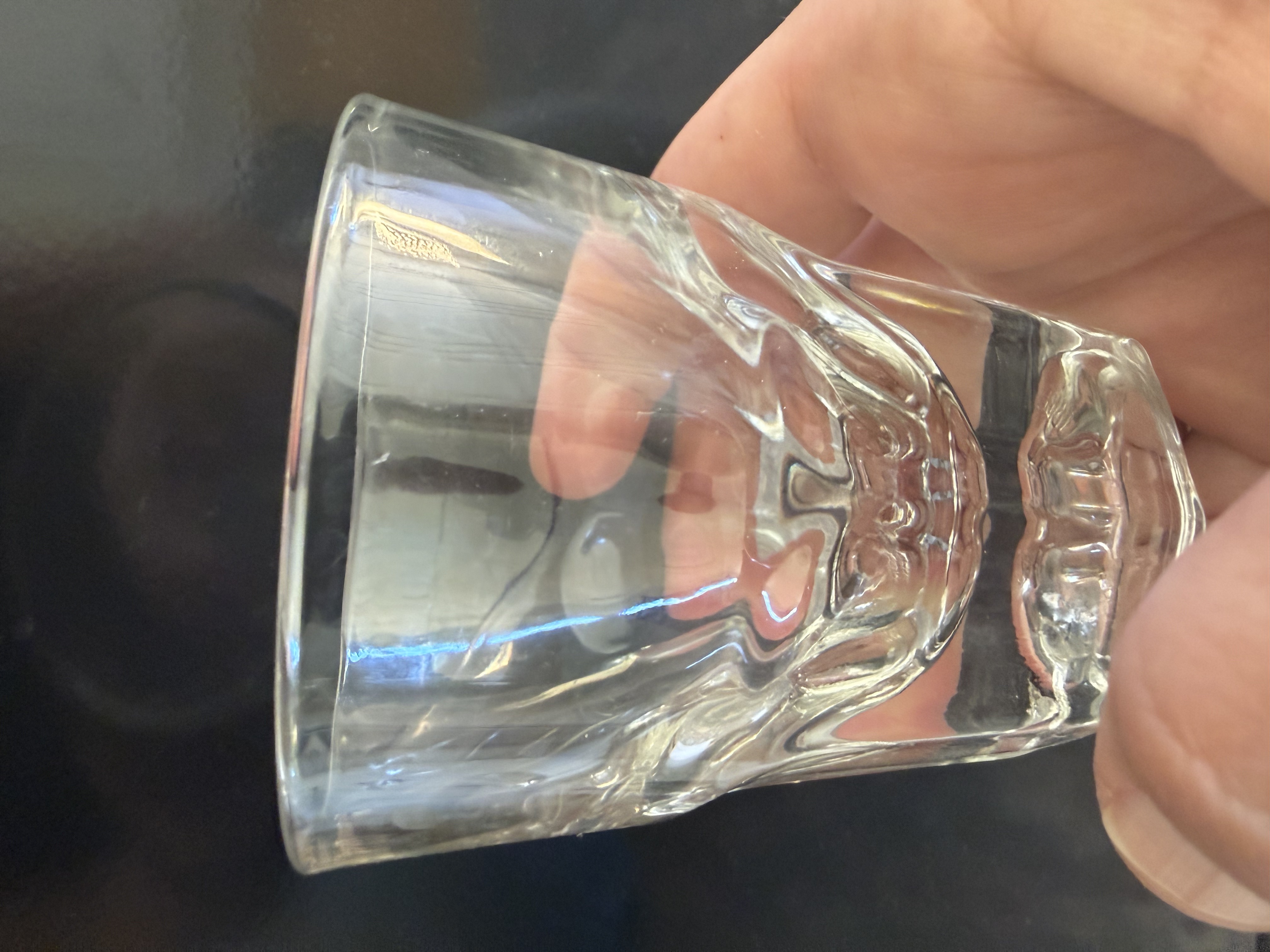 Ever wondered why coffee from a paper cup feels flat, even when it’s good coffee?
In reality, the material of a cup matters more than we think; whether ceramic, glass, paper, or metal, it affects both the taste of coffee and how long it stays warm. Ceramic mugs are generally the best all-around choice. They don’t add extra flavors and keep coffee hot for longer. Ceramic also preserves aroma and flavor better than paper or thin plastic cups. In contrast, paper and plastic cups cool quickly and can impart a papery or plastic taste. Weiss, 2019
To get the most out of your brew, choose a cup that suits your drink style. For espresso, classic thick-walled porcelain demitasse cups help keep the shot hot and concentrate aromas. Glass cups work well for filter and pour-over coffees, letting you appreciate the color and clarity while providing a neutral taste. For milk-based drinks like cappuccino or flat white, wider ceramic cups allow enough room for silky milk foam and the signature layered look. I personally enjoy wider glass cups for my milk-based drinks to also appreciate the colors of the coffee and milk mixture. By pairing each coffee type with its ideal cup, you bring out its character and make the most of your daily ritual.
The weight of the cup matters, too. A thick, sturdy ceramic mug can make coffee feel richer and higher quality. Studies show that people perceive coffee in a heavier cup as having a longer aftertaste than the same coffee in a lighter cup. (Spence & Carvalho, 2019, pp. 239-248) Using a solid, well-made cup, such as ceramic or porcelain, not only avoids off-flavors but also feels better to hold. Would you take a coffee more seriously in a paper cup or in a heavy ceramic mug? One of my favorite ceramic cups is a handmade “xdy” cup with a heavy bottom, which adds a sense of depth when you drink from it.
Cup Shape and Design
The shape of a coffee cup meaningfully changes how we taste coffee. An inclusive research by Fabiana Carvalho and Charles Spence was conducted on this topic. Narrow, tulip-shaped cups intensify aroma. Wide, bowl-shaped cups make coffee taste sweeter and more acidic. This holds true for both experts and casual drinkers. Cup form alone can shift flavor perception. (Carvalho & Spence, 2018)
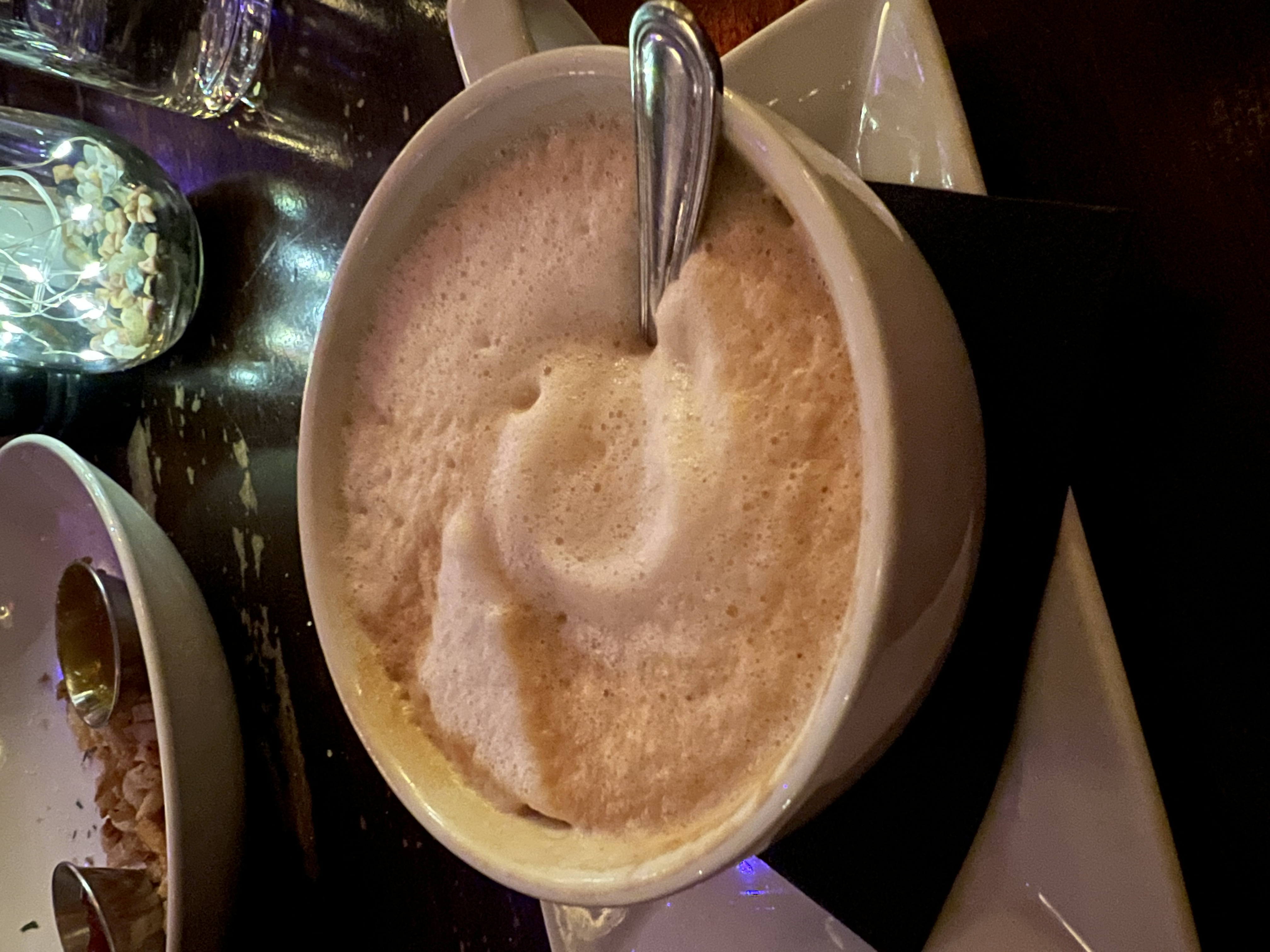
But enjoyment also depends on what we’re used to. Most casual coffee drinkers don’t like unusual cup shapes, even if they improve flavor, while experts appreciate the difference. We also expect certain tastes based on a cup’s shape—short, stout mugs seem more bitter and intense, while wider or taller cups suggest sweetness and balance. Culture matters too. In Italy, a small espresso mug means serious, bold coffee. In the USA, a big, round latte mug signals a rich, flavorful drink. I once received a cappuccino in a cup that felt closer to a soup bowl than a coffee cup. Check it out.
Cup Color and Visual Aesthetics
The color of a mug does more than just look nice—it can actually fool our taste buds through our eyes. In a 2019 study, researchers served either a sweet Brazilian coffee or an acidic Kenyan coffee to 457 people in pink, yellow, green, and white ceramic cups. The results showed that color changed both what people expected and what they tasted. For example, a pink mug, which people often associate with sweetness, led them to expect a sweeter drink. (Carvalho & Spence, 2019, pp. 157-169)
On the other hand, a green or yellow mug—colors associated with lemons and limes—led people to expect more acidity. When the cup’s color didn’t match the coffee’s taste, such as serving acidic Kenyan coffee in a pink cup, people were surprised by the acidity. They enjoyed the coffee less. Ratings dropped in these cases. If the cup’s color sets the wrong expectation, it can make the coffee less enjoyable. In short, color directs our mood and cognition before we even take a sip.
Surface Texture and Tactile Feel
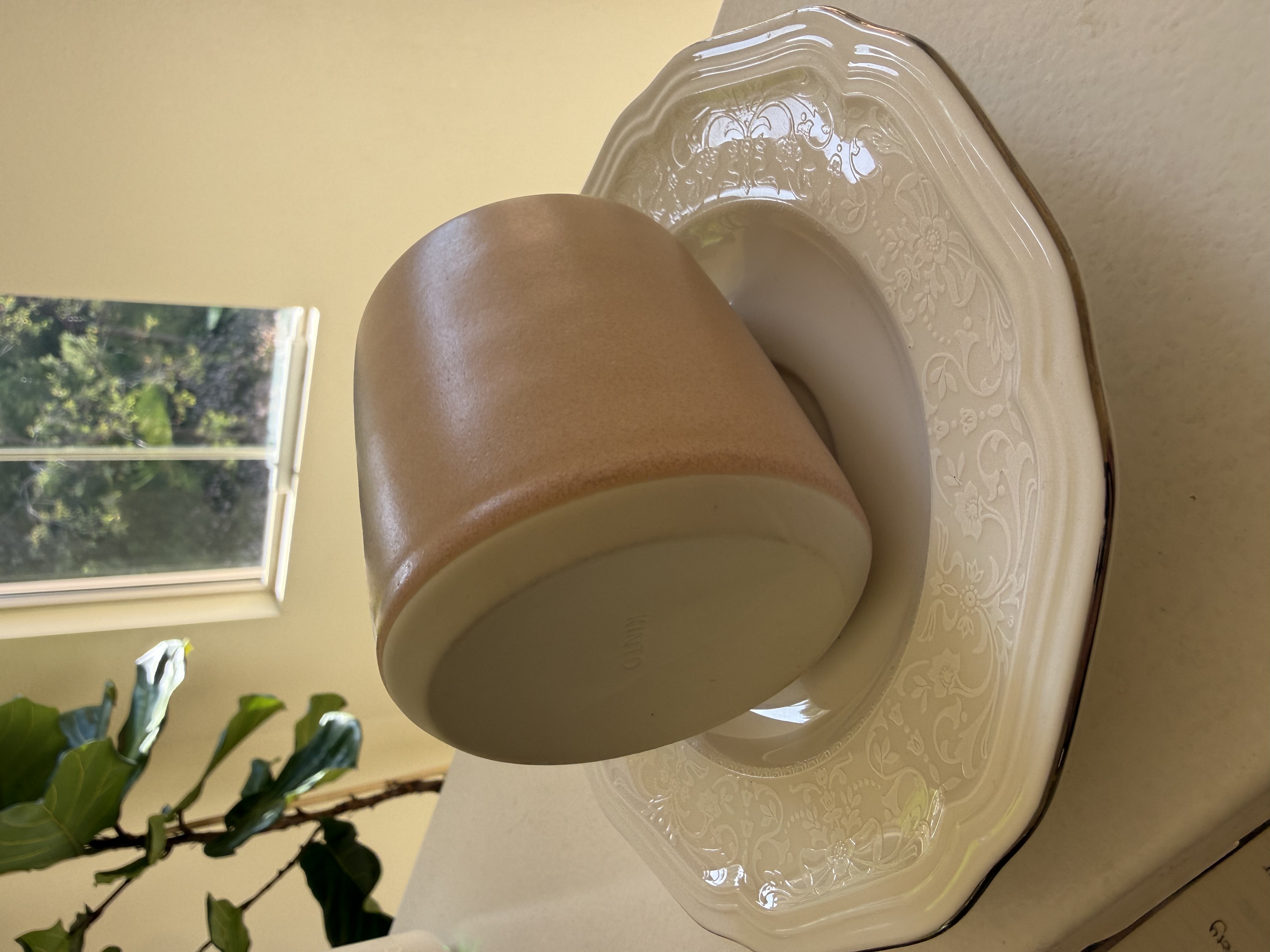 The way a coffee cup feels in your hand and on your lips directly influences how coffee tastes. Our sense of touch plays a quiet though essential role in flavor. A thick, rounded cup rim can feel comfortable and guide the flow of liquid. In contrast, a very thin or sharp-edged rim can give a different sensation on the lips, potentially accentuating or muting certain taste elements. Likewise, a rough, unglazed ceramic exterior might make a rustic coffee feel more robust, while a velvety matte finish might impart a softer psychological tone.
Overall, cup texture, rim shape, and finish are not neutral design choices—they clearly shape flavor recognition, aftertaste, and the psychological nature of the coffee experience. (Assessing the influence of the coffee cup on the multisensory tasting experience, 2019, pp. 239-248)
Psychological and Emotive Responses
Besides changing flavor, the cup’s features can also affect how we feel during our coffee routine. If the cup matches our expectations, we enjoy the coffee more. But if the cup looks one way and the coffee tastes very different, such as a delicate pink cup with a bitter drink, it can make us like the coffee less. When the cup feels right for the drink, satisfaction increases. This is called sensorial congruence.
Conclusion
It’s astonishing how the design, look, and feel of a coffee cup can change your coffee enjoyment in both subtle and obvious ways. The main argument is simple: by paying attention to the cup you use—its material, shape, color, and texture—you can actively enhance your coffee’s flavor, enjoyment, and even your mood. This isn’t simply about aesthetics; science shows the right cup is a key part of the coffee experience. If you’re curious, try a simple experiment: make a fresh cup of coffee and pour it into two different cups—perhaps a thin glass and a sturdy ceramic mug. Pay attention to how each cup changes the taste, aroma, and how the coffee feels in your hand as you drink. For even deeper exploration, try comparing the same coffee in mugs of different colors, such as a bright mug and a plain white one, and notice whether your perception of sweetness or acidity shifts. This kind of personal experiment can reveal just how much the right cup elevates each sip.
Alternatively, follow us on Instagram, TikTok, or YouTube as we share our own experimentation with different coffee cups and brands.
In the end, coffee isn’t just something we drink—it’s something we experience. And the cup, often overlooked, is quietly shaping that experience every time.
The question isn’t just ‘what coffee are you drinking?’
It’s ‘what kind of moment are you creating?
At Coffee Tenet, we think of the cup as part of the ‘Context’—the silent layer that shapes how every sip is experienced.
Comments