In some circles, ordering a light-roast espresso still feels like asking for pineapple on pizza. For generations, espresso has been synonymous with dark roasted beans. This tradition has deep roots, exemplified by iconic Italian coffee institutions such as Café Florian in Venice (founded in 1720), Caffe Greco in Rome (founded in 1760), and Sant’Eustachio Caffe in Rome (opened in 1938)—all of which exclusively use deep, dense, dark-roasted coffee beans for their espresso drinks. However, this long-standing norm is now being actively challenged with the rise of specialty coffee.
Why light roasts behave differently under pressure
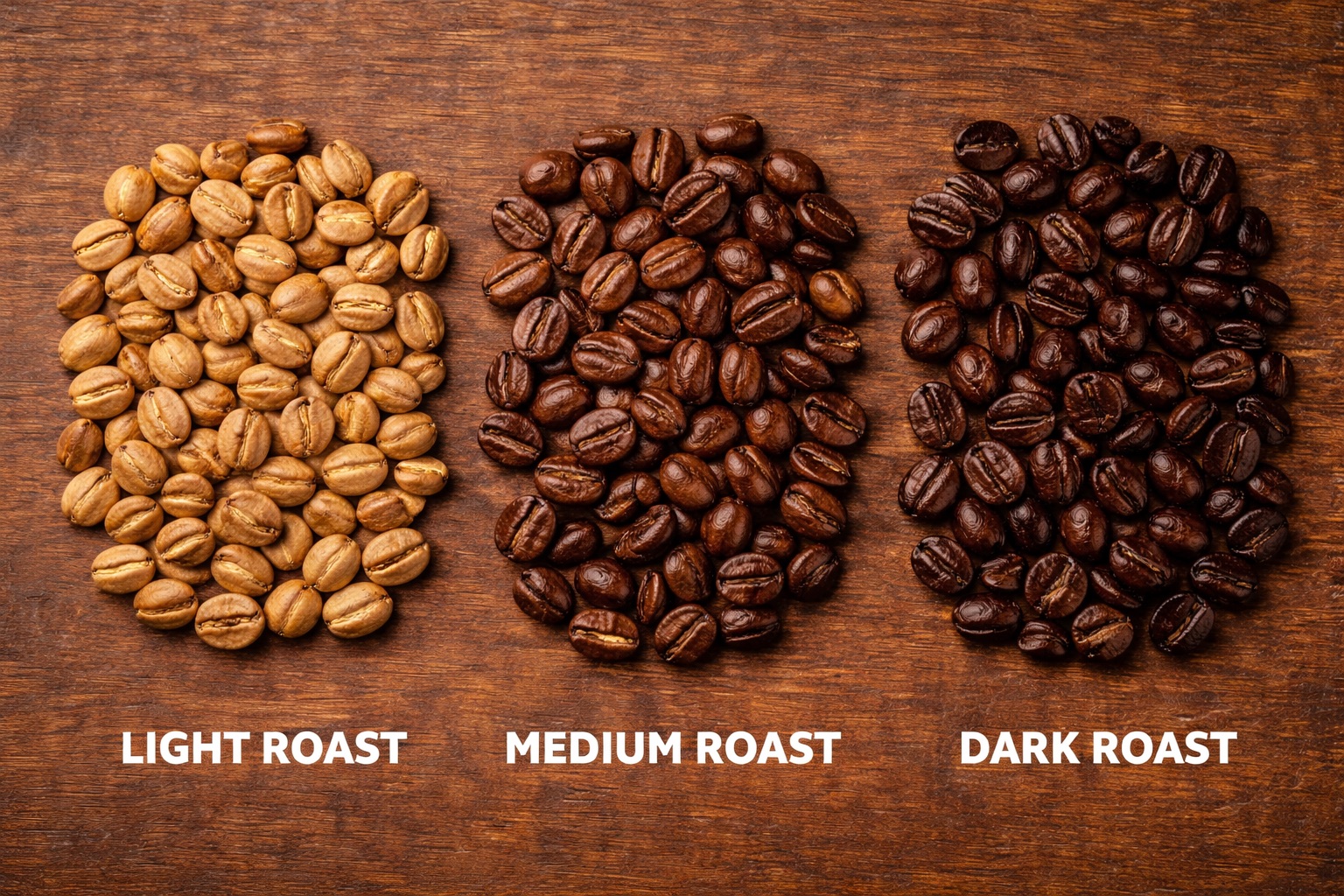
Light roasted beans are roasted for a shorter time, producing a light brown color, a dry surface, and a denser structure. This preserves more of the bean’s natural acids and aromatic compounds. As a result, light roast espresso offers a bright, complex flavor profile with pronounced fruity or floral notes and heightened acidity. These shots highlight the bean’s origin character and deliver exceptional clarity of flavor. Compared to dark roast espresso, the body is lighter, and the crema layer is thinner. Because light roast beans are denser and less soluble, they are more prone to underextraction, which—combined with preserved acidity—can yield a sour taste if not brewed skillfully.
In contrast, the traditional dark-roasted coffee beans undergo a longer, higher-temperature roasting process, which drives off much of the bean’s natural acidity and moisture. This results in bold, heavy-profile beans with flavors that lean toward bittersweet chocolate, toasted nuts, and smoky, caramelized notes. Compared to light roasts, the origin character is muted, but the resulting espresso is rich, comforting, and intensely flavored.
Acidity is very low-roasting breaks down most acids, so the shot tastes smooth and bitter-sweet rather than sharp or sour. Espresso shots from dark-roasted beans are full-bodied, with a thick mouthfeel, often with abundant crema and an “old-school” espresso punch. They are the most forgiving to brew – the higher solubility of dark beans means they extract quickly and consistently, yielding that robust, concentrated flavor with less finesse required.
Why light roasts are harder - and how to make them shine
Brewing espresso with light-roasted beans presents unique challenges due to their dense, less porous structure. Water struggles to extract flavors efficiently during the brief, pressurized espresso process, making proper technique essential. The main difficulties—and their solutions—are outlined below:
- Grind and Dose:
Light roasts usually require a finer grind to increase surface area and boost extraction.
- A slightly larger dose can help pack more soluble material into the puck. However, grinding too fine can cause channeling or over-extraction, so careful adjustment is crucial.
- Water Temperature: Higher water temperatures (93–96 °C / 200–205 °F) extract more flavor from light roasts compared to the standard 90–93 °C. The extra heat helps dissolve complex acids and sugars, encouraging a fuller, more balanced shot.
- Extraction Time & Ratio: Light roasts often benefit from a longer extraction, 30–35 seconds instead of the traditional 25 (yes, those extra seconds matter). This extended time allows greater sweetness development, helping to balance the bright acidity.
These adjustments help counteract the tendency of light-roast espresso to taste sour. In espresso extraction, acids are pulled first, followed by sugars and then bitter compounds. Because darker beans are more soluble, they are more forgiving, often producing drinkable shots even when the technique isn’t perfect. With light roasts, dialing in these variables is essential for a balanced, flavorful result.
Light-roasted espresso in compound drinks
In milk-based drinks: Milk softens the acidity of light-roast espresso, adding sweetness and a smoother texture. However, the delicate, nuanced flavors—such as fruity or floral notes—are often muted by milk and can disappear in larger drinks. In contrast, dark roast or robust espresso blends retain their bold, full-bodied flavor, easily cutting through milk’s creaminess. To preserve the original character and complexity of a light-roast espresso, consider using less milk; a cortado is an excellent choice. This approach builds on earlier extraction principles, ensuring that subtle notes remain present.
In Americanos (Espresso + Water): Light-roast espresso in an Americano highlights the coffee’s clean, tea-like character. Dilution with water emphasizes bright citrus, berry, or floral notes while maintaining a lighter body—sometimes mimicking the clarity of a pour-over. These qualities are especially refreshing in iced Americanos, where high acidity and delicate flavors remain vibrant. Specialty cafes often choose light roasts for creative espresso-and-water drinks, such as espresso tonics or iced long blacks, to showcase sparkling acidity. The trade-off is a thinner, more acidic cup that may lack the depth or chocolatey robustness of a dark roast Americano.
In summary, the choice of compound drink and preparation method can significantly affect how light-roasted espresso expresses its flavors. By adjusting milk volume or opting for creative water-based drinks, you can highlight the unique qualities of a light roast and achieve a balanced, enjoyable result.
Why do brewers choose light roasts anyway?
 Once you master the brewing process, light-roasted espresso can be truly exceptional. Brewers and enthusiasts praise these shots for their bright acidity, pronounced fruit and floral notes, lighter body, and clean finish. The experience is less about intensity and more about clarity, allowing the unique character of the coffee’s origin to shine through. While dark espresso tends to emphasize roast-driven flavors, light roasts preserve distinct, origin-specific aromas and nuances. Sometimes referred to as Nordic-style espresso—a term used for lighter, clarity-driven approaches—this style produces cups that are more acidic, complex, and transparent. Although dialing in a light-roast espresso can be challenging—especially at first—the reward is a vibrant, layered shot that expands the possibilities of espresso. In today’s progressive coffee scenes, single-origin, lightly roasted espresso is increasingly common for those seeking new flavor frontiers.
Not to complicate things further, but there is also medium-roasted espresso, which generally offers a balanced profile - a moderate acidity with smooth sweetness (think caramel, nuts, or chocolate notes). Medium roasts tend to have enough brightness to stay lively, but also more caramelized sugars for richness. This balance makes medium roasts versatile: they yield a satisfying espresso on their own and also hold up well in milk drinks. Many consider medium roast the “sweet spot” for espresso, delivering both some fruity complexity and the familiar coffee richness.
Ultimately, the best roast for espresso comes down to personal preference and curiosity. Medium roasts are often recommended for beginners or those who prefer a classic, balanced shot—especially in milk drinks—because they are more forgiving. For adventurous drinkers and seasoned baristas, light-roasted espresso offers an exciting way to experience coffee’s complexity and origin character. Exploring different roast levels can help you discover what you enjoy most and appreciate the full spectrum of what espresso can offer.
Final Takeaway
Light-roast espresso unlocks nuance and origin character for those willing to experiment and refine their craft. It rewards curiosity and precision, offering a modern and vibrant espresso experience. Whether you prefer the boldness of tradition or the clarity of light roasts, exploring the spectrum of espresso can lead to new discoveries—and great cups.
From the bold intensity of tradition to the clarity of modern light roasts, espresso continues to evolve, inviting us not to choose sides but to taste more deeply.
Comments